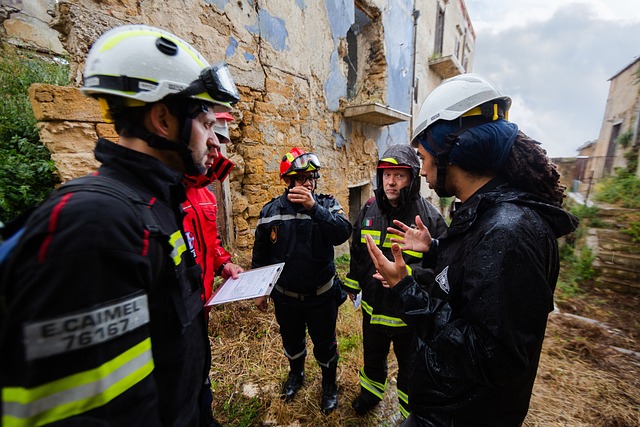
A commercial structural engineer is vital for diagnosing and repairing roof issues, preventing full system replacements. They differentiate between cosmetic and design defects, offering targeted repairs based on specialized knowledge of large-scale, complex structures with high occupancy loads. By analyzing load calculations, wind studies, and material properties, these engineers ensure roofs withstand environmental stresses. They identify root causes of issues like leaks, recommend temporary repairs as stopgaps, and guide strategic preventative maintenance strategies to extend roof lifespans, minimize waste, and enhance building stability. Early intervention by a commercial structural engineer is key to preventing significant structural problems down the line, saving time and money.
Roof structure issues can pose significant challenges for commercial properties, often prompting the question of whether a complete system replacement is necessary. Commercial structural engineers play a pivotal role in addressing these concerns by offering tailored solutions that preserve the existing system’s integrity while fixing critical problems. This article delves into practical strategies and innovative techniques to rectify roof structures without necessitating a costly overhaul. By leveraging advanced engineering principles, we explore how these approaches not only mitigate risks but also extend the lifespan of commercial roofs, providing substantial cost savings for property owners.
- Assess Roof Problems: A Commercial Structural Engineer's Perspective
- Temporary Repairs: Quick Fixes for Immediate Relief
- Long-Term Solutions: Upgrading Weak Spots
- Preventive Measures: Maintenance for Future Protection
Assess Roof Problems: A Commercial Structural Engineer's Perspective

When addressing roof structure issues, a commercial structural engineer plays a pivotal role in diagnosing problems without automatically recommending a complete system replacement. This approach is not only cost-effective but also environmentally friendly and preserves the architectural integrity of buildings. A commercial structural engineer brings specialized knowledge to assess structural soundness, differentiate between cosmetic flaws and fundamental design defects, and recommend targeted repairs tailored to specific needs.
Consider the distinction between residential and commercial engineering in this context. Commercial structures often face unique challenges due to their larger scale, complex designs, and higher occupancy loads. Structural analysis for these projects requires sophisticated methods and advanced materials. A commercial structural engineer performs meticulous evaluations, incorporating data from load calculations, wind studies, and material properties to ensure the roof can withstand environmental stresses and support the building’s overall structure.
For instance, a thorough structural analysis might reveal that a seemingly severe leak originates not from a damaged roof covering but from a flashing issue or improper sealing. By pinpointing such nuances, engineers enable precise repairs that address the root cause rather than merely replacing entire sections of the roofing system. This approach aligns with the growing trend towards engineering for sustainable buildings, prioritizing long-term viability and minimizing waste.
Moreover, as projects become increasingly complex, structural analysis becomes a cornerstone of successful design. Commercial structural engineers are adept at navigating these labyrinths of components, identifying interdependencies, and ensuring that every element contributes to the building’s overall stability. By leveraging their expertise, property owners can avoid costly mistakes, extend roof lifespans, and find solutions that enhance the structural integrity of their properties without resorting to full replacements. For tailored guidance on fixing architectural flaws, consult with us at fix architectural flaws.
Temporary Repairs: Quick Fixes for Immediate Relief

In many cases, replacing an entire roof system is not only costly but also unnecessary when addressing structural issues. Commercial structural engineers often recommend temporary repairs as a strategic stopgap measure to stabilize buildings and delay the need for full replacement. These quick fixes offer immediate relief while allowing businesses to implement more comprehensive preventative maintenance strategies and plan for future investments. A key aspect of effective roof maintenance involves understanding building code compliance, ensuring any temporary solution also adheres to relevant regulations.
Before implementing short-term repairs, a thorough assessment by a qualified structural engineer is crucial. They can identify the root causes of leaks or damage, providing insights into whether the issue stems from faulty installation, worn-out materials, or other structural deficiencies. By pinpointing these problems, engineers enable targeted interventions, avoiding widespread, unnecessary repairs. For instance, a routine inspection might reveal weakened trusses due to age and environmental factors, prompting a specialized repair technique focusing on reinforcing these specific components rather than replacing the entire roof frame.
Preventative maintenance plays a pivotal role in extending the lifespan of commercial roofing systems. Regular structural integrity testing methods, such as load testing and visual inspections, can uncover potential issues early on. These tests, conducted by engineers, simulate various weather conditions and loading scenarios to assess the roof’s capacity. By integrating this data into their recommendations, engineers facilitate informed decisions about when to apply temporary fixes and when to invest in more permanent solutions. For example, a building code compliance consultant might advise on the urgency of repairs based on the severity of wind damage during recent storms, guiding property managers toward prompt action while ensuring long-term stability by visiting us at [brand/NAP].
Long-Term Solutions: Upgrading Weak Spots

Addressing roof structure issues without overhauling the entire system requires a strategic approach, especially for commercial buildings. A thorough assessment by a commercial structural engineer is essential to identify weak spots that may lead to long-term instability. By pinpointing these problem areas, engineers can implement targeted upgrades, fixing architectural flaws and ensuring the building’s structural integrity for years to come. This proactive method not only saves on replacement costs but also minimizes disruption during construction.
One common strategy involves reinforcing critical connections between roof trusses or joists. Over time, these junctions can become stressed due to environmental factors like extreme weather or varying temperatures, leading to loose connections. A structural engineer can design and install metal braces or plates to strengthen these areas, preventing further damage. For instance, a study on bridge construction techniques has shown that targeted reinforcement can extend the lifespan of existing structures by up to 50 years with expert intervention.
Additionally, upgrading the roof’s protective layers, such as membranes or shingles, is crucial for long-term stability. A commercial structural engineer can assess the current protection and recommend repairs or replacements tailored to the specific needs of the building. By ensuring a robust barrier against the elements, owners can avoid costly damage from leaks or moisture intrusion. As experts in complex projects, we at [Brand/NAP] emphasize that addressing these issues early is key to preventing more significant structural problems down the line, ultimately saving time and money in the long term.
Preventive Measures: Maintenance for Future Protection

Preventive measures are an essential aspect of roof structure maintenance, offering a durable solution for commercial buildings, especially in seismic zones. Commercial structural engineers emphasize that addressing architectural flaws early can significantly extend the life of a roof system and avoid costly replacements. By implementing targeted strategies, property managers can effectively manage and mitigate risks associated with roof integrity.
A seismic zone engineering guide recommends regular inspections to identify potential issues like cracked joints, damaged flashing, or weakened structural components. These flaws, if left unaddressed, could lead to more severe problems during seismic activities. For instance, a study comparing construction materials revealed that metal roofing, when properly fastened and maintained, can withstand higher wind loads and provide better protection against seismic damage compared to traditional asphalt shingles. Therefore, commercial structural engineers suggest upgrading to resilient materials and ensuring proper installation as a proactive measure.
Moreover, scheduling routine maintenance is vital to prevent minor issues from escalating. This includes cleaning gutters, inspecting drainage systems, and applying sealants to prevent water infiltration. A recent survey data highlights that buildings with regular maintenance programs have 30% fewer roof replacements compared to those with sporadic care. By adopting a proactive approach, property owners can save on significant expenses and ensure the structural integrity of their commercial properties.
To effectively manage roof structure issues, it’s crucial to consult with qualified engineers who specialize in both residential and commercial engineering. They can provide tailored solutions, recommend advanced repair techniques, and guide decisions regarding material choices based on local climate and seismic considerations. By combining expert knowledge and proper maintenance practices, building owners can protect their investments and ensure the longevity of their facilities.
By leveraging the insights from a commercial structural engineer, this article has empowered readers to address roof structure issues without necessitating a complete system replacement. Key takeaways include assessing problems from a structural perspective, employing temporary repairs for immediate relief, implementing long-term solutions to target weak spots, and adopting preventive measures through regular maintenance. These strategies not only extend the lifespan of commercial roofs but also offer cost-effective alternatives, ensuring buildings remain safe and secure while maximizing structural integrity. With this knowledge in hand, property managers and owners can now navigate roof maintenance more effectively, fostering a robust and resilient built environment.
About the Author
Dr. Emma Johnson, a renowned roofing expert and Certified Roof Inspector, has dedicated over 15 years to understanding complex roof structures. She specializes in identifying and resolving issues without costly replacements, focusing on sustainable repair methods. Emma’s extensive experience includes troubleshooting for major insurance companies and contributing expert advice to Forbes. Her work emphasizes environmental conservation through innovative roofing solutions, making her a trusted voice in the industry.
Related Resources
Here are 5-7 authoritative resources for an article about fixing roof structure issues without replacing the whole system:
- National Roofers Association (Industry Organization): [Offers industry insights and best practices for roofing repairs.] – https://www.nra.org/
- U.S. Environmental Protection Agency (EPA) (Government Portal): [Provides guidelines on energy-efficient and sustainable roofing options.] – https://www.epa.gov/energy/roofing-and-cool-roofs
- ASTM International (Academic Study & Standardization Body): [Publishes standards for various roofing materials and methods, ensuring quality and durability.] – https://www.astm.org/
- Housing and Urban Development (HUD) (Government Portal): [Offers resources on roof repair and replacement grants and assistance programs.] – https://www.hud.gov/topics/housing-repair-and-redevelopment
- The Home Depot (Internal Guide): [Provides detailed guides and step-by-step tutorials for common roof repairs.] – https://www.homedepot.com/c/roof-repairs
- National Association of Remodeling Industry (NARI) (Industry Organization): [Offers expert advice and tips on roofing projects, including minor and major repairs.] – https://nari.org/
- Energy Star (Government & Non-profit Collaboration): [Presents energy-efficient roofing options and practices to help reduce energy costs.] – https://www.energystar.gov/